
A clear, friendly guide to Islamic clothing for women, the different styles of wearing a hijab, and what makes the burka, hijab, and niqab different from one another.
Understanding Islamic Clothing for Women
If you have ever wondered about the different types of Islamic clothing for women, you are not alone. Many people find the terms confusing because they are often used interchangeably, even though each garment is quite different.
Whether you are a Muslim woman exploring your options, a new convert looking for guidance, or simply someone who wants to understand modest Islamic fashion better, this guide is here to help. We will walk through the most important styles of wearing a hijab, explain the key differences in the burka vs hijab debate, and look at how the hijab vs niqab comparison breaks down in simple, easy to understand terms.
We will also share some beautiful modest fashion options to help you express your faith with confidence and style.
What Is Islamic Clothing for Women?
Islamic clothing for women is rooted in the principle of modesty, known in Arabic as “haya.” The Quran instructs Muslim women to dress modestly in public, and over time this has taken many different forms depending on culture, country, and personal interpretation.
To learn more about the spiritual foundation behind modest dressing, read our detailed guide on what is hijab in Islam which explains the meaning and purpose behind the hijab in a simple and respectful way.
The most common types of Islamic clothing for women include the hijab, niqab, burka, chador, and shayla. Each covers different parts of the body and is worn in different ways. Let us look at each one carefully.
The Three Main Garments: Hijab, Niqab, and Burka
What Is a Hijab?
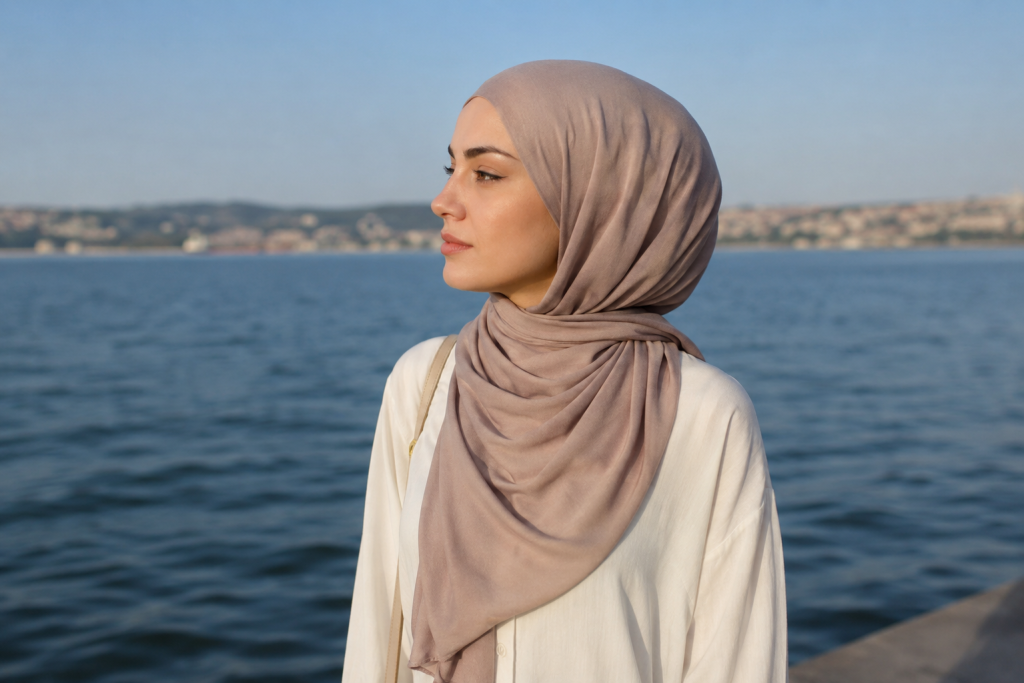
The hijab is the most widely worn form of Islamic modest dress in the world. The word “hijab” in Arabic means barrier or covering, and in everyday use it refers to the headscarf worn by Muslim women to cover their hair, ears, and neck whilst leaving the face completely visible.
The hijab comes in many different styles, fabrics, and colours. Some women wear a simple rectangular scarf wrapped around the head. Others prefer a pre-sewn fitted style that slips on easily. The hijab is versatile, fashionable, and deeply personal. Each woman who wears it may style it differently depending on her culture, preference, and occasion.
If you are looking for a comfortable and practical option to wear under your hijab, our Islamic Muslim women’s head scarf cotton underscarf hijab cover head bonnet is a brilliant choice. It keeps everything in place all day long.
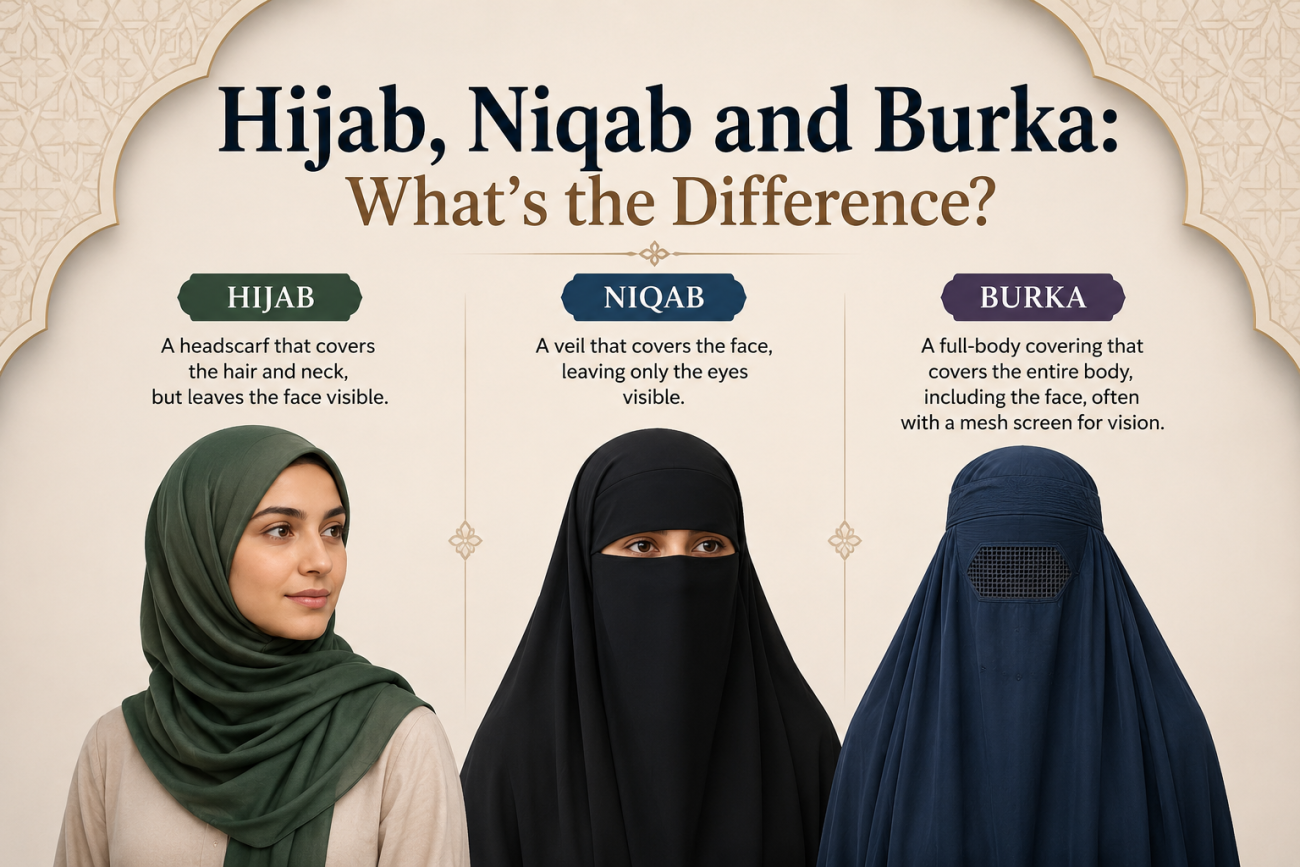
The hijab covers the hair and neck only. The face remains fully uncovered.
What Is a Niqab?
The niqab goes one step further than the hijab. It covers the hair, neck, and face, leaving only the eyes visible. It is usually a two-piece garment: a headscarf that covers the hair and an attached or separate face veil that covers from just below the eyes down to the chin and neck.
Women who wear the niqab do so out of a deep personal commitment to modesty. It is more common in Gulf countries such as Saudi Arabia, the UAE, and Kuwait, though women all over the world wear it by choice.
In the hijab vs niqab comparison, the key difference is simple. The hijab leaves the entire face uncovered. The niqab covers most of the face, leaving just the eyes showing.
What Is a Burka?
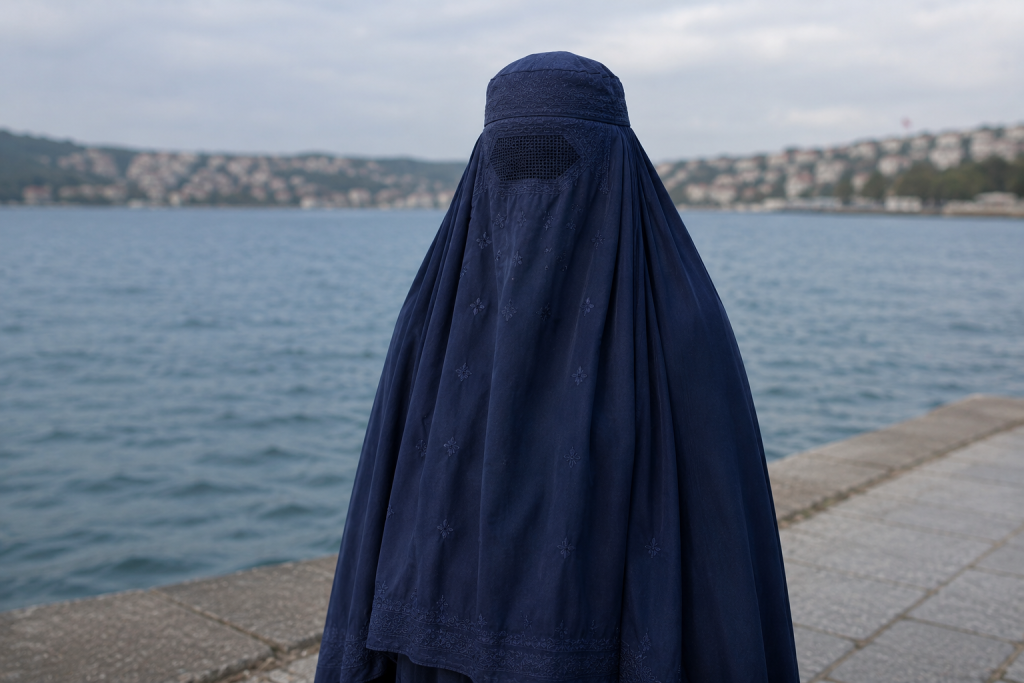
The burka (also spelled burqa) is the most covering of all Islamic garments. It covers the entire body from head to toe, including the face and eyes. A mesh or woven screen covers the eye area, allowing the wearer to see whilst remaining fully covered.
The burka is most commonly associated with Afghanistan and some parts of Pakistan and is often blue or light-coloured. It is not widely worn in most Muslim-majority countries around the world, where the hijab and niqab are far more common.
In the burka vs hijab comparison, the difference is significant. The hijab covers only the hair and neck. The burka covers everything, including the eyes.
Hijab Comparisons: A Clear Summary
To make the hijab comparisons easier to understand, here is a simple breakdown:
The hijab covers the hair, ears, and neck. The face is fully visible. It is the most common style of Islamic clothing for women worldwide and comes in hundreds of colours, fabrics, and styles.
The niqab covers the hair, neck, and face. Only the eyes are visible. It is a more conservative choice worn by women who wish for greater coverage in public.
The burka covers the entire body including the eyes. A mesh panel allows the wearer to see. It is the most covering of all Islamic garments and is mostly worn in Afghanistan.
Other Styles of Wearing a Hijab Around the World
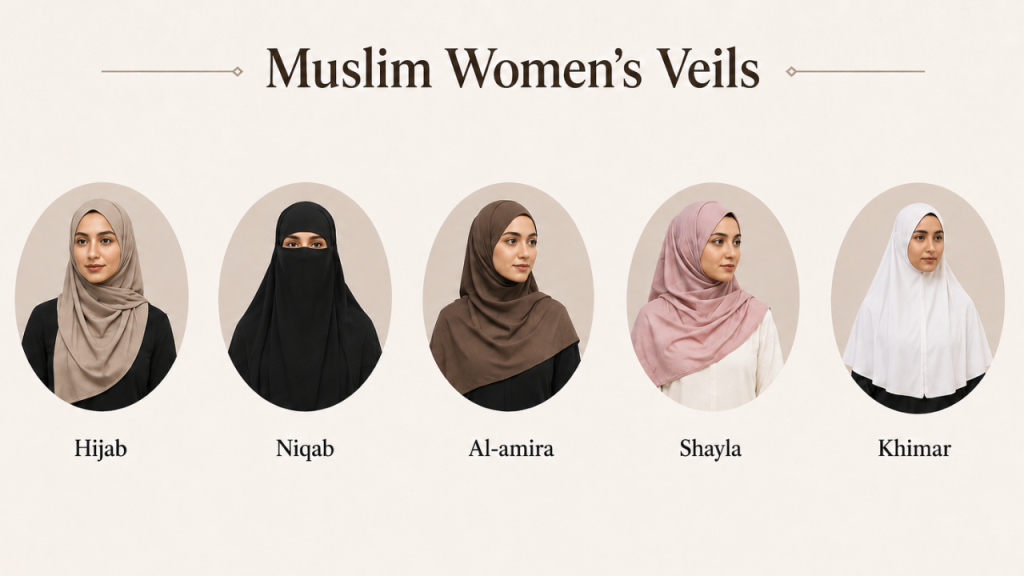
Beyond the hijab, niqab, and burka, there are several other styles of wearing a hijab and modest dress that Muslim women around the world choose from.
The Shayla
The shayla is a long, rectangular scarf popular in the Gulf region. It is draped loosely over the head and tucked or pinned at the shoulders. It is elegant, simple, and very easy to wear.
The Al-Amira
The al-amira is a two-piece hijab consisting of a close-fitting cap and a tube-shaped scarf that pulls over the head. It is very practical and popular with women who are new to wearing a hijab, as it stays in place easily without pinning.
The Khimar
The khimar is a longer cape-like covering that hangs down past the waist and covers the hair, neck, and shoulders completely. It is a modest and graceful style that works well over any outfit.
The Chador
The chador is a large, half-circle piece of fabric that is draped over the head and held closed at the front. It covers the hair and body but leaves the face open. It is most common in Iran.
The Shayla-Style Wrap
This is a more relaxed, fashion-forward way of draping a long scarf loosely around the head with one end thrown over the shoulder. It is very popular in modern modest fashion communities.
To see a full breakdown of all popular styles, visit our complete guide on hijab types which covers each style with helpful tips on how to wear them.
How to Choose the Right Style for You
Choosing the right style of Islamic clothing for women is a very personal decision. There is no single right answer. What matters most is that you feel comfortable, modest, and confident in what you wear.
Here are some simple things to think about when exploring different styles of wearing a hijab.
Consider your lifestyle. If you are very active or work in a busy environment, a simple, secure hijab style that stays in place easily will serve you well. If you are attending a formal occasion, a more elegantly draped style might feel more appropriate.
Think about the climate. In warm countries, lightweight and breathable fabrics like cotton and chiffon are ideal. In cooler weather, a thicker fabric or layered style works better.
Start simple. If you are new to wearing a hijab, begin with an easy, practical style before moving on to more complex draping techniques. Our cotton underscarf bonnets are a great starting point as they keep your hair secure and make styling much easier.
What to Wear With Your Hijab
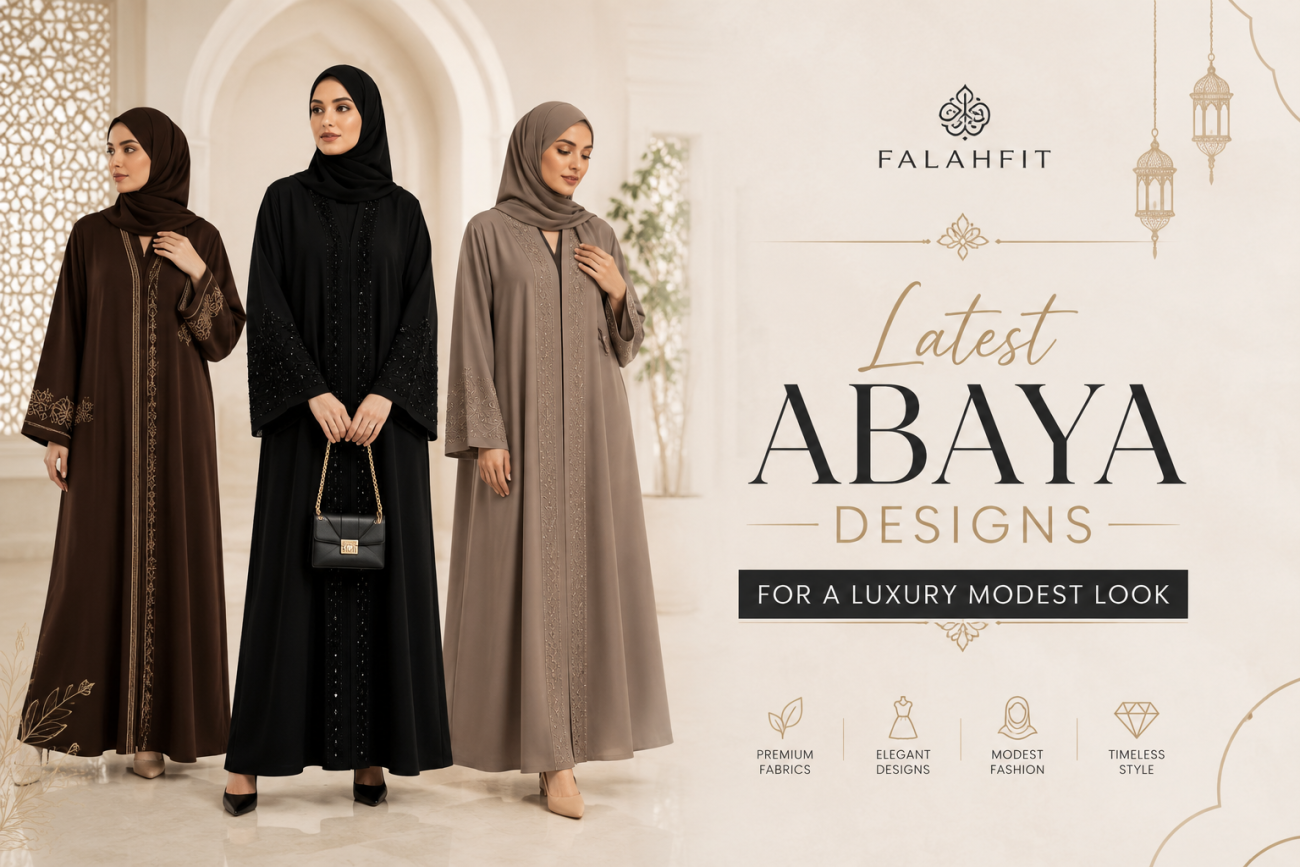
Your hijab is just one part of your modest outfit. The right abaya or dress underneath can bring your whole look together beautifully.
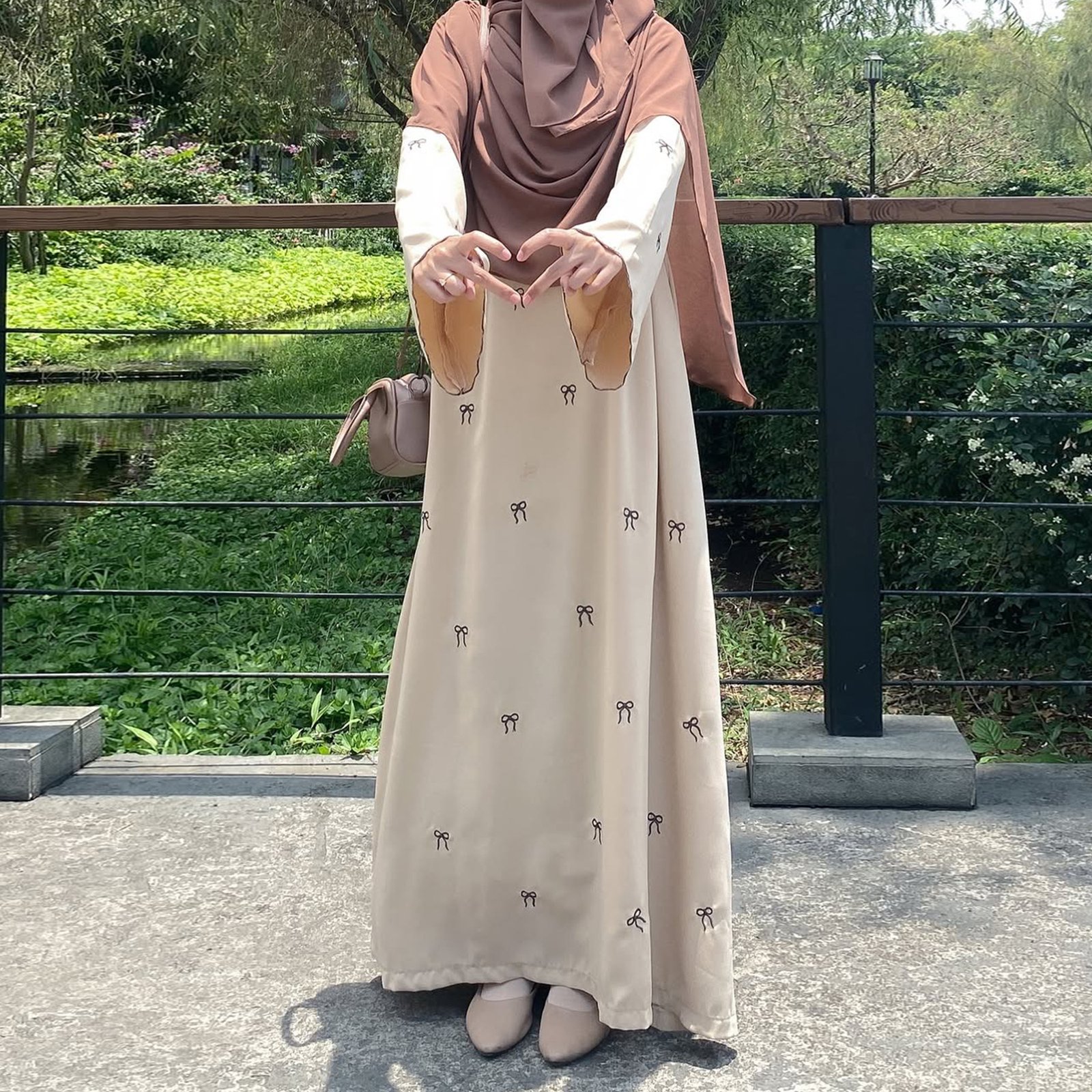
For everyday occasions, our comfortable and stylish casual abayas pair perfectly with any hijab style. For something more special, our bow long flowing abaya is a stunning choice that looks elegant and graceful with any headscarf style. The long, sweeping silhouette and delicate bow detail make it one of our most loved pieces.
Respecting the Differences
One of the most important things to understand when discussing the burka vs hijab or hijab vs niqab is that all of these choices deserve respect. Every Muslim woman who covers does so for her own deeply personal reasons, whether cultural, spiritual, or both.
There is no single correct way to practise Islamic modest dress. Some women wear a simple headscarf. Others cover their faces. Some wear an abaya. Others dress modestly in regular clothing. All of these choices are valid and worthy of respect.
Understanding the differences between these garments helps us appreciate the diversity within Islamic culture and the many ways Muslim women around the world express their faith through clothing.
A Quick Reference: Burka vs Hijab vs Niqab
Here is a final simple summary of the key hijab comparisons.
The hijab is a headscarf that covers the hair and neck. The face is fully uncovered. It is the most common form of Islamic clothing for women and comes in countless styles.
The niqab covers the hair, neck, and most of the face, leaving only the eyes visible. It is a personal choice for women who wish for greater coverage.
The burka is a full body covering including the face and eyes. A woven or mesh screen covers the eye area. It is mainly worn in Afghanistan.
All three are forms of Islamic clothing for women rooted in the value of modesty. All three deserve understanding and respect.
Final Thoughts
Learning about the different styles of wearing a hijab, and understanding the key differences in the burka vs hijab and hijab vs niqab debate, is a wonderful step towards greater understanding of Islamic culture and modest fashion.
Whether you are choosing your first hijab or simply curious about the diversity of modest dress around the world, we hope this guide has helped make things clearer.
Explore our full range of modest fashion, from hijab accessories to beautiful flowing abayas, and find the perfect pieces to express your faith and your personal style with confidence.
Fashion rooted in faith. Style that speaks for itself.


Leave a comment