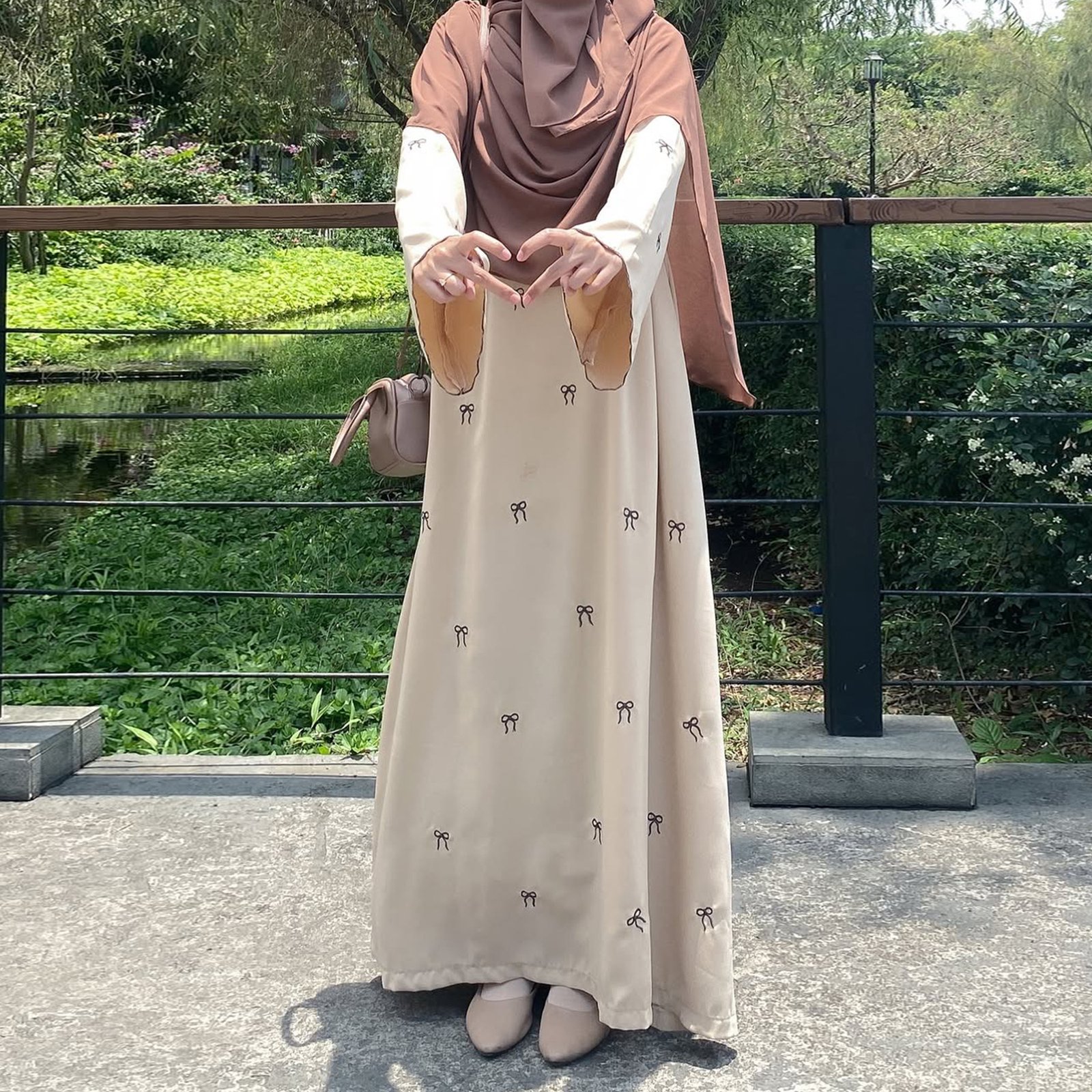


What Is a Hijab?
The word hijab comes from the Arabic root hajaba, which means to conceal, cover, or screen. In everyday conversation, most people use the word hijab to refer to the headscarf worn by Muslim women. But within Islamic scholarship, the term carries a broader meaning.
In Islamic tradition, hijab refers to the entire concept of modesty in dress and behavior, not just a piece of cloth. It applies to both men and women and covers how they dress, how they carry themselves, and how they interact with others. When someone says a woman is wearing hijab, they typically mean she is covering her hair and body in accordance with Islamic guidelines.
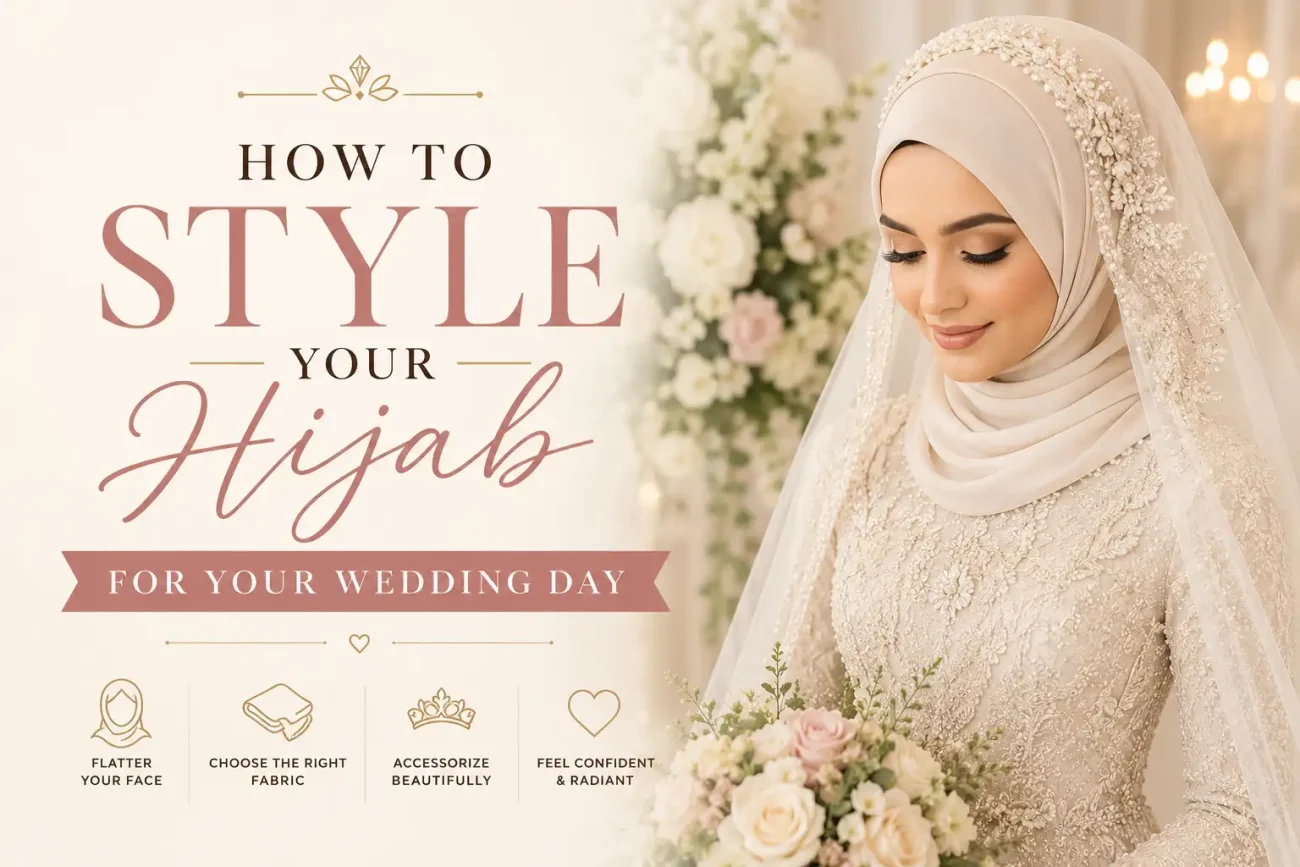
Visually, the hijab is a headscarf that covers the hair, neck, and sometimes the chest. It is worn in countless styles across different cultures and countries, and comes in a wide variety of fabrics and colors. There is no single uniform look. A woman in Egypt might wear hers loosely draped, while a woman in Indonesia wraps hers in an entirely different style.
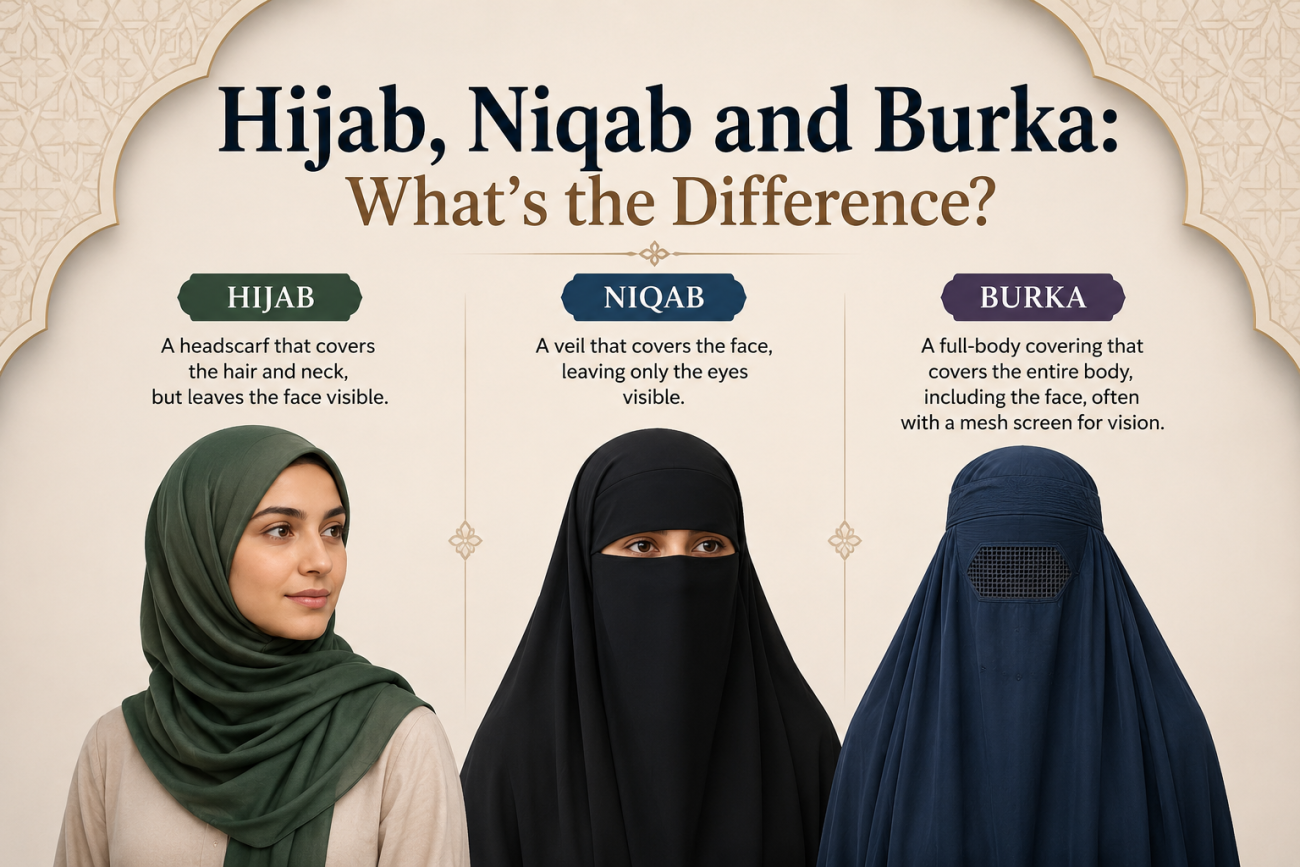
Hijab vs. Niqab vs. Abaya: What Is the Difference?
These three terms often get used interchangeably in media, but they refer to different things.
- Hijab: Covers the hair and neck, leaving the face visible.
- Niqab: Covers the hair and face, leaving only the eyes visible.
- Abaya: A full-body covering that includes a mesh screen over the eyes.
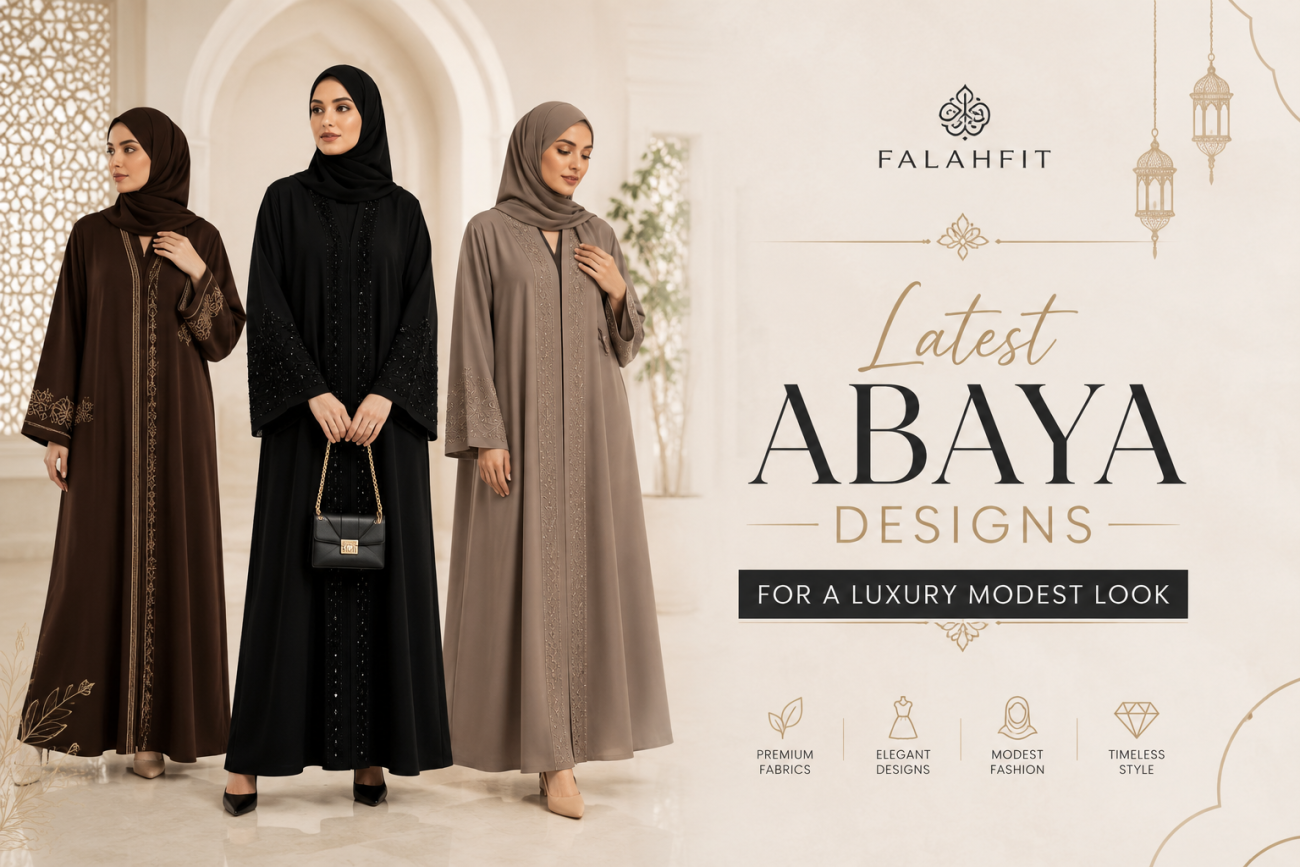
The hijab is by far the most common and is often styled with an affordable abayas for women, making modest fashion accessible and practical. The niqab and burqa are worn by a smaller number of women and are more common in certain regions, while most Islamic scholars consider the hijab obligatory and the niqab optional.
Why Do Women in Islam Wear Hijab?
This is one of the most frequently asked questions about Islam. The short answer is that most Muslim women who wear hijab do so as an act of worship and obedience to God. But the reasons are often personal, layered, and worth understanding properly.
1. It Is a Religious Obligation
The primary reason is religious duty. Islamic law, based on the Quran and the Hadith (sayings and actions of the Prophet Muhammad), requires Muslim women who have reached puberty to cover their hair and body in front of men who are not their close family members.
Scholars throughout Islamic history, from classical times to the present day, have generally agreed that covering the hair is obligatory. It is not seen as optional in the same way that, say, giving extra charity might be. It sits in the same category of required practice as regular prayer.
2. Modesty and Dignity
Beyond religious obligation, many Muslim women speak about the hijab as something that gives them a sense of dignity. The idea in Islam is that a person’s worth is not tied to their physical appearance. Wearing hijab is viewed as a way of asking to be judged on character, intellect, and actions rather than looks.
This is a point that often gets lost in Western debates about the hijab. For many wearers, it is not about hiding or shame. It is about framing how they want to be seen and respected.
3. Faith and Identity
For a large number of Muslim women, particularly those living as minorities in Western countries, the hijab is also an open expression of identity. It signals their faith and their values. Many women who choose to wear hijab describe the moment they made that decision as significant and personally meaningful.
Surveys and interviews with Muslim women in the UK, US, and Europe consistently show that the majority who wear hijab say they do so by their own choice, not because of pressure from male relatives.
4. It Is Not Submission to Men
A common misconception is that the hijab is something imposed on women to control them or keep them subservient to men. This misreads the Islamic framework entirely. In Islam, the command to dress modestly is addressed to both men and women. Chapter 24 of the Quran instructs men to lower their gaze before it addresses women’s dress. The obligation runs in both directions.
Muslim women who wear hijab are not submitting to men. They are, in their understanding, obeying God directly. That is a significant distinction.
Ayat of Hijab: What Does the Quran Say?
There are two main verses in the Quran that are cited in discussions about hijab. Both are found in Surah An-Nur (Chapter 24) and Surah Al-Ahzab (Chapter 33).
Surah An-Nur (24:30-31)
These two back-to-back verses are the most direct Quranic reference to modest dress. The first verse (24:30) is addressed to believing men, telling them to lower their gaze and guard their chastity. It sets up modesty as a value that applies to both sexes before addressing women specifically.
The second verse (24:31) is addressed to believing women. It instructs them to lower their gaze, guard their chastity, and not display their adornments except what ordinarily appears. It then directs them to draw their khumur (head coverings) over their chests.
The word khumur is the plural of khimar, which refers to a cloth that covers the head. Islamic scholars point out that the verse instructs women to use these coverings to cover their chests, implying that the covering of the hair itself is already assumed. This verse forms the primary Quranic basis for the obligation of hijab.
Surah Al-Ahzab (33:59)
This verse instructs the Prophet Muhammad to tell his wives, daughters, and the believing women to draw their jilbabs (outer cloaks) over themselves. The purpose stated in the verse is so they may be recognized and not harassed.
This verse addresses the outer garment worn in public spaces. It is understood by scholars as part of the overall framework of modest dress that Muslim women are asked to follow.
Supporting Hadith
In addition to the Quranic verses, several Hadith (sayings attributed to the Prophet Muhammad) provide further guidance. One well-known Hadith narrated in Abu Dawud states that once a woman reaches puberty, nothing should be visible of her except her face and hands. This Hadith, along with others, has historically shaped the scholarly consensus on what hijab requires.
Common Questions About Hijab
Is wearing the hijab compulsory?
According to mainstream Islamic scholarship, yes. Scholars across different schools of Islamic jurisprudence, including Hanafi, Maliki, Shafi’i, and Hanbali, generally agree that covering the hair is obligatory for Muslim women. That said, Islam recognizes that not every Muslim will follow every obligation perfectly. Many Muslim women do not wear hijab, for a variety of personal, social, or practical reasons.
Can Muslim women choose not to wear hijab?
Yes, and many do. Wearing hijab is a personal and religious choice. In countries where women have the freedom to choose, some Muslim women wear hijab and some do not. Islam does not require others to police this choice. There is no worldly punishment for not wearing hijab in Islamic law, although believers generally understand there is a religious accountability.
Does hijab mean women cannot work or go out?
Not at all. The hijab is worn while going about normal life: working, studying, traveling, socializing. It is specifically a dress requirement, not a restriction on movement or participation in public life. Muslim women throughout history, and in large numbers today, have been teachers, doctors, lawyers, athletes, politicians, and everything else, wearing hijab.
Do Muslim men have a dress code too?
Yes. Muslim men are required to cover the area from the navel to the knee at minimum, and to dress modestly overall. In many Muslim-majority countries, traditional male dress includes long, loose garments. Beyond dress, men are also instructed to be modest in behavior, to lower their gaze, and to guard their chastity. The emphasis on modesty in Islam applies to both men and women, though the specifics differ.
Hijab Around the World
The hijab looks different depending on where you are in the world. Culture, climate, and tradition all shape how Muslim women cover.
- In the Gulf countries, the abaya (a long, loose black robe) is common alongside the headscarf.
- In Southeast Asia, particularly Malaysia and Indonesia, brightly colored headscarves in creative styles are popular.
- In South Asia, the dupatta (a long scarf) is often used as a head covering.
- In Turkey and Iran, the style and legal requirements have varied significantly over time.
- In Western countries, Muslim women often combine their headscarf with everyday Western clothing.
None of these styles is more correct than another in terms of Islamic requirements. What matters from a religious standpoint is that the hair and body are adequately covered.
Misconceptions About the Hijab
Misconception: All women who wear hijab are forced to
Research and surveys from Muslim communities across Western countries consistently show that the majority of women who wear hijab in free societies do so voluntarily. While coercion does exist in some families and cultures, it is not representative of the norm. Many women describe starting to wear hijab as one of the most personally empowering decisions they made.
Misconception: The hijab oppresses women
The relationship between hijab and women’s freedom is more complex than this framing allows. Many women who wear hijab are highly educated, professionally active, and vocal advocates for their own rights. Oppression comes from power structures, not from a piece of cloth. Muslim scholars and feminist writers have argued that conflating hijab with oppression dismisses the agency of women who wear it as a genuine choice.
Misconception: It is a purely cultural tradition, not religious
The hijab has Quranic and Hadith basis and has been part of Islamic practice for over 1,400 years. While cultural practices do shape how hijab is worn and to what extent, the underlying requirement itself is rooted in Islamic scripture, not just local custom.
Final Thoughts
The hijab is one of the most visible symbols of Islam, and also one of the most misunderstood. At its core, it is a practice of faith, a response to Quranic instruction, and for many women, a personal statement of identity and values.
Understanding what hijab actually means, why Muslim women wear it, and what the Quran says about it helps cut through a lot of the noise and assumption that tends to surround the topic. The picture that emerges is one of religious duty, personal choice, and cultural variety, far more layered than the simplified narratives on either side of the debate usually allow for.
Related: Islamic dress codes for men and women | Understanding modesty in Islam | Surah An-Nur explained

Leave a comment